
 When temperatures decrease in the colder months, fueling diesel engines requires slightly more planning than usual. Diesel begins to freeze at a higher temperature than gasoline, and as it freezes, it begins to gel. Typically, this can happen anytime the temperature drops below 32 degrees Fahrenheit, but most often when the temperature hits 15 degrees. This diesel gelling process makes it impossible to pump through fuel tanks and can actually shut down equipment or vehicles entirely. Fortunately, even during the colder months of the year, there are ways to prevent diesel gelling.
What Causes Diesel Gelling?
No. 2 fuel diesel (aka regular diesel) contains a naturally occurring substance called paraffin wax. During warm temperatures (above 32 degrees Fahrenheit), this paraffin wax stays liquid and flows freely through the fuel filters in vehicles. As the temperatures begin to drop, however, paraffin wax begins to crystallize. The colder it gets, the more crystals.
At What Temperature Does Diesel Fuel Gel?
At around 14-15 degrees Fahrenheit, the paraffin wax completely crystallizes, clogging the filter and stopping any fuel from passing through the tank. People in the fueling industry call this the Cloud Filter Plugging Point (CFPP). When temperatures cause diesel to hit the CFPP, your vehicle or equipment isn’t going anywhere, and fuel operations will cease.
How to Keep Diesel From Gelling
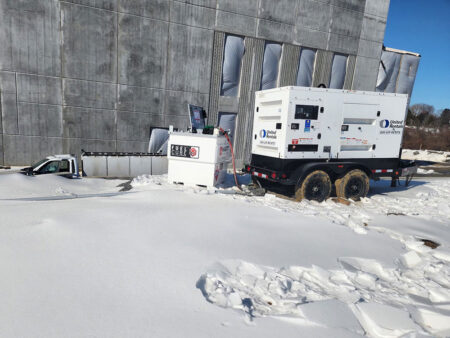 Because paraffin wax is naturally occurring, there is nothing you can do to change the properties of this substance. There are, however, steps that diesel companies recommend for preventing diesel gelling.
- Keep the Diesel Warm. Businesses in states like Florida, Texas, or Southern California probably won’t have a problem with diesel gelling. However, for businesses located in states such as New York, Wisconsin, or Washington, where temperatures consistently drop below freezing multiple times during the year, keeping your vehicles and equipment warm is difficult. If you have the option to store your vehicle, equipment, or fuel cube in a climate-controlled space, you won’t have to worry about diesel gelling. If you don’t have that option, there are other ways to combat the cold.
- Add the Additive. Fortunately, there is an additive that companies can add to their fuel tanks and equipment to prevent diesel gelling. Most diesel fuel distributors like Hart Fueling will use this additive and offer premium diesel options that contain it. You can also add it to your onsite fuel storage cubes to have crystal-free diesel at the ready for cold days under 40 degrees Fahrenheit!
- Choose No. 1. The final suggestion is to switch from No. 2 fuel diesel to No. 1 fuel diesel. No. 1 fuel diesel does not have paraffin wax and therefore, does not gel at any temperature. While no. 1 diesel fuel may cost slightly more, it’ll be worth it to ensure your vehicle or equipment runs smoothly during the winter months.
Trust the Experts at Hart Fueling
If you’re not sure what type of diesel is best for your business or fleet, the team at Hart has the expertise and knowledge to guide you to the most fitting option for your specific needs. Contact us today to learn more!