
 Across construction sites, logistics hubs, manufacturing plants, and landscaping operations, one challenge keeps resurfacing: time is getting harder to protect. Labor shortages stretch crews thin, production schedules leave little room for error, and even short delays can eat into already narrow margins. In response, many growing businesses are rethinking everyday operations that once felt routine, including how and where equipment gets fueled.
On-site fueling, once viewed as a convenience, is quickly becoming a standard operating practice.
Downtime Has Become a Cost Center
Fueling has traditionally been treated as a minor task. Vehicles leave the jobsite, stop at a fuel station, and return when ready. That model worked when labor was plentiful, and schedules had flexibility. Today, it often creates hidden inefficiencies.
Every off-site fuel trip pulls operators away from revenue-generating work. In fleet-based industries, those minutes add up quickly across multiple vehicles and crews. Missed delivery windows, delayed project milestones, and overtime hours can all be traced back to avoidable downtime. These pressures mirror broader shifts outlined in how fleet efficiency priorities are changing for growing businesses, where companies are prioritizing time savings alongside cost control.
As businesses scale, these inefficiencies become more visible and harder to absorb.
Labor Shortages Are Forcing Operational Changes
Workforce constraints are reshaping how companies think about productivity. With fewer workers available, maximizing the output of existing teams matters more than ever. That reality pushes leaders to remove non-essential tasks from the workday.
Fuel runs are a prime example. When skilled operators spend time driving to and from fuel stations, their expertise is being used inefficiently. On-site fueling takes the burden off crews, allowing them to stay focused on their primary responsibilities.
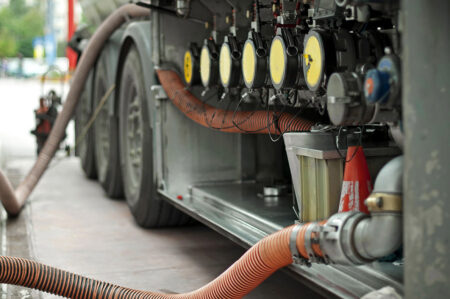
For many operations, scheduled diesel delivery to job sites makes it possible to keep vehicles and equipment fueled without pulling workers off the job.
Tight Schedules Leave No Room for Refueling Delays
Many commercial operations now run on tightly coordinated timelines. Construction projects rely on synchronized crews. Logistics networks depend on precise routing. Manufacturing lines follow strict production cycles.
In these environments, unplanned fuel stops can disrupt more than a single vehicle. One delay can ripple across teams, equipment, and delivery commitments. On-site fueling provides predictability, allowing businesses to schedule fueling around operations instead of the other way around. For operations that rely on direct-to-equipment fueling, understanding what wet hosing is and how it differs from bulk fuel storage helps teams choose the right approach for their workflow.
To support this model, many businesses turn to temporary on-site fuel tank rentals for active job sites so fuel is always available where equipment operates. This level of control is especially valuable during peak seasons, when demand is high and flexibility is low.
On-Site Fueling Supports Cost Control
Fuel costs themselves are only part of the equation. Time spent refueling, mileage added to vehicles, and equipment wear all influence operating expenses. On-site fueling helps reduce those secondary costs by keeping vehicles where they’re needed.
For growing fleets, centralized fuel delivery also improves visibility into consumption. Tracking usage across locations and equipment becomes easier, which supports more accurate budgeting and planning. Many companies pair this approach with practical ways commercial fleets reduce fuel costs, especially when managing multiple job sites or seasonal demand.
For off-highway equipment, off-road diesel delivery for construction and industrial machinery plays a key role in keeping machines running while supporting compliance and cost tracking. Over time, that clarity can help businesses make better decisions about equipment utilization and fleet size.
Safety, Compliance, and Equipment Needs
Efficiency gains only hold value when safety and compliance standards are met. On-site fueling requires planning around storage, handling, and regulatory requirements. For construction and industrial environments, construction site fuel safety and storage tips help teams reduce risk while maintaining productivity.
Many modern fleets also rely on emissions systems that require consistent access to additives. Consistent DEF delivery for emissions-compliant fleets helps prevent downtime tied to emissions-related shutdowns.
Looking Ahead
As labor remains tight and production demands remain high, businesses will continue to search for ways to protect time and margins. On-site fueling addresses both challenges by eliminating avoidable downtime and supporting more predictable workflows.
What once felt like an operational upgrade is now becoming standard practice. For companies focused on growth, efficiency, and reliability, on-site fueling is increasingly essential to staying competitive.